Global Travel Etiquette: Greetings, Tipping & Manners
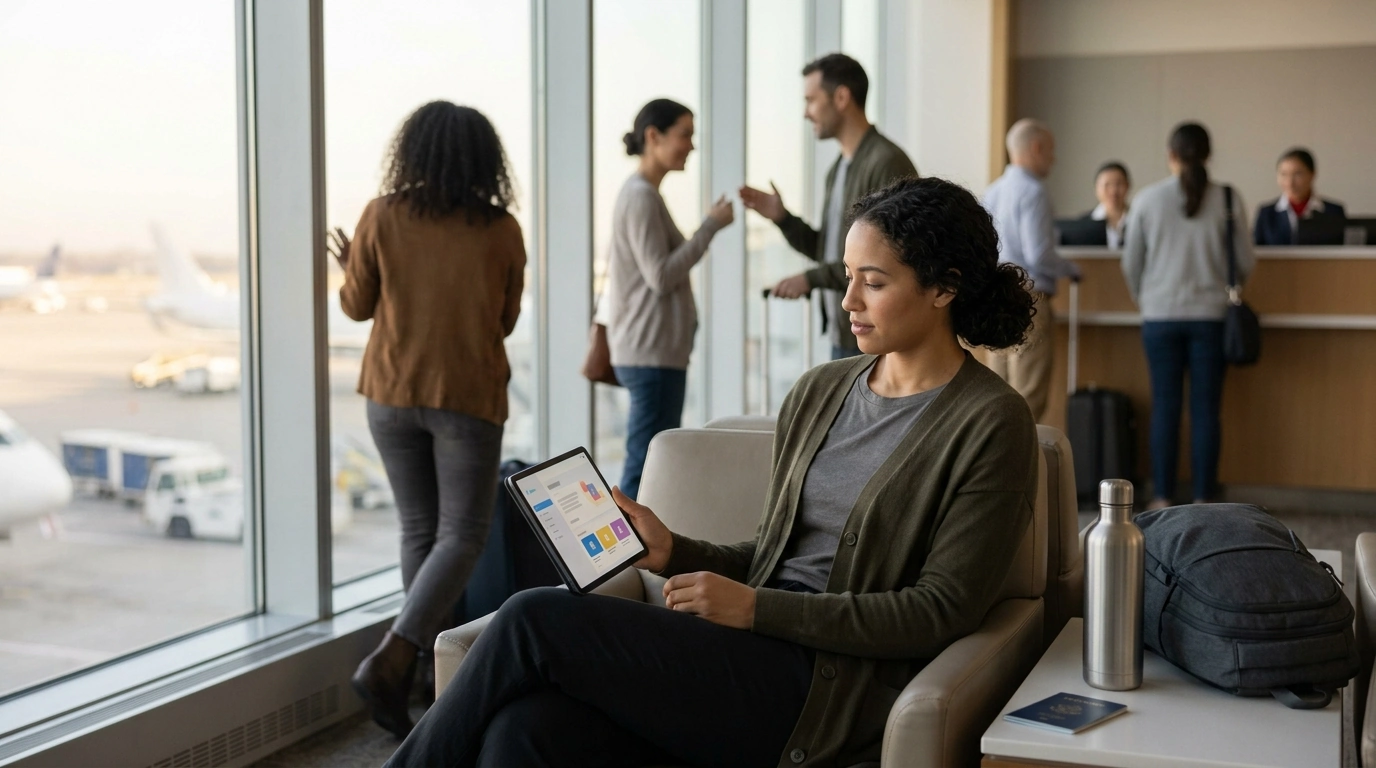
Confident Travel Starts with Small Courtesies
Confident travel often comes down to small moments—how to greet, when to tip, what to wear, and what to avoid saying or doing. The right etiquette isn’t about being “perfect”; it’s about showing respect in everyday interactions so misunderstandings don’t derail a great trip. That’s exactly what The Smart Traveler’s Guide to Global Etiquette (Digital Download) is built for: practical, travel-ready guidance you can review before wheels-down and use again and again across destinations.
Alongside etiquette prep, it’s also smart to verify official travel guidance and health recommendations before you go. For current entry info and advisories, check the U.S. Department of State – International Travel, and for destination-specific health updates, reference CDC – Travelers’ Health.
What This Digital Etiquette Guide Helps With
Every country has its own social “defaults.” This digital guide focuses on the situations travelers run into most—so you spend less time guessing and more time enjoying the experience.
- Quick cultural context for common situations: greetings, introductions, and polite conversation
- Dining and drinking manners: table customs, toasts, seating, and paying
- Public behavior basics: lines, personal space, volume, gestures, and photography
- Professional etiquette for work trips: meetings, business cards, punctuality, and email tone
- Gift-giving and hospitality norms: when to bring something, what’s appropriate, and how to present it
- A portable reference that works well for last-minute refreshers before arrival
If you want a quick, device-friendly reference you can revisit between flights, get the etiquette eBook here.
Fast Etiquette Checklist Before Landing
When you’re juggling arrival forms, transportation, and a new time zone, a short checklist can prevent the most common missteps.
- Learn the standard greeting: handshake, bow, cheek kiss, or verbal greeting—plus the expected level of formality
- Confirm acceptable gestures and hand use (left/right hand, pointing, beckoning, thumbs-up, OK sign)
- Check clothing expectations for religious sites, rural areas, and upscale venues
- Review tipping norms: whether tipping is expected, included, discouraged, or reserved for specific services
- Save a short set of local phrases: hello, please, thank you, excuse me, and “Do you speak…?”
- Decide a safe default for photos: ask first for people, avoid sensitive locations, and follow posted rules
Quick-reference etiquette defaults (when unsure)
| Situation | Low-risk default |
|---|---|
| Greeting someone new | Start formal; mirror their tone and distance |
| Meeting someone’s family/elders | Stand, be polite, and let them lead the interaction |
| Shoes indoors | Look for a shoe rack or others removing shoes; ask if uncertain |
| Paying and splitting bills | Follow the host’s lead; avoid insisting loudly in public |
| Taking photos | Ask permission for people; respect “no photos” signs |
| Religious/cultural sites | Dress modestly; keep voice low; follow staff guidance |
Manners That Change Most Between Countries
Many awkward travel moments come from assuming your “normal” is universal. These are the big variables to watch for when moving between regions—or even between neighboring countries.
- Personal space and touch: some cultures prefer more distance; others are comfortable with closeness and casual contact.
- Directness vs. indirectness: disagreement may be softened or implied—or expressed bluntly—depending on local norms.
- Time expectations: strict punctuality, flexible timing, or event-based scheduling can vary widely.
- Eye contact: confident and attentive in some places, disrespectful or overly intense in others.
- Queueing habits: formal lines vs. crowds—knowing the local pattern prevents frustration.
- Volume and enthusiasm: “friendly” energy can read as pushy or loud in quieter settings.
Dining Etiquette and Tipping: Common Pain Points
Meals are often where culture is most visible—especially around who orders, how the table is organized, and what “polite” looks like when the check arrives.
- Seating and ordering: waiting to be seated, communal sharing, and host-led ordering may be expected.
- Hands, utensils, and bread: how food is handled can be culturally significant—especially in traditional settings.
- Toasts and drinks: when to toast, who starts, and whether eye contact matters can differ by region.
- Paying the bill: one person paying, splitting, or rotating payments can be the norm depending on place and context.
- Tipping: service charges, rounding rules, and cash vs. card customs vary; quick research prevents awkwardness.
Respectful Behavior in Temples, Markets, and Public Spaces
A little awareness goes a long way in shared spaces—especially when local customs prioritize modesty, quiet, or specific rules around images and gestures.
Business Travel Etiquette for International Meetings
For broader communication confidence—especially if you’re coordinating logistics digitally while traveling—consider Digital Literacy for Everyday Life (Digital Download).
Using the eBook as a Trip Companion
To make packing and daily choices simpler, pair it with the Eco-Friendly Traveler Checklist for lighter, smarter habits on the road.
Digital Download Details and Who It’s For
FAQ
What’s the safest etiquette approach when unsure what’s polite?
Choose the more formal option, observe what locals do, and mirror the other person’s level of formality and distance. When appropriate, ask a simple, polite question (such as whether shoes should be removed) rather than guessing.
Does etiquette really matter for short trips or tourist activities?
Yes—small respectful choices reduce friction with staff and locals and can improve service interactions. Even in tourist areas, basic manners (volume, gestures, photo permission, and dress codes) help you avoid unintentionally offensive behavior.
Is tipping considered rude in some countries?
It can be, depending on the destination and context. Tipping norms vary widely—sometimes it’s expected, sometimes included in the bill, and sometimes uncommon—so it’s smart to check local guidance and look for service charges on receipts.











Leave a comment